
Head-to-Head
Human Touch vs Infinity: Furniture Thinking Against Feature Thinking
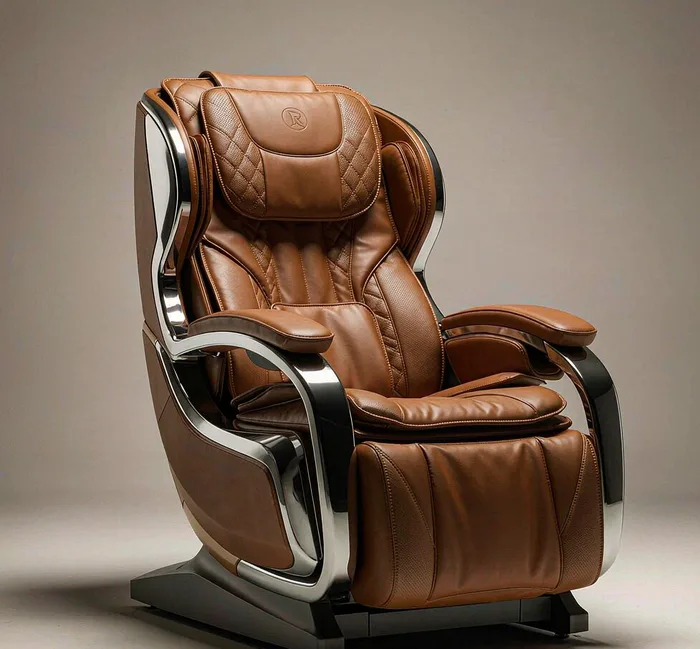
Put these two side by side and the difference is not quality — it is what each brand thinks a chair is for. Human Touch builds seating that happens to massage: proportion, upholstery and a zero-gravity recline that belongs in a living room. Infinity builds a massage device that happens to recline: L-track coverage, body scan, air-cell count. The buyer each one serves walks into a different store.
Factory-direct FOB · Private label ready · 24 mo warranty · Quote in 24 h
Design
Human Touch axis
Coverage
Infinity axis
Furniture
HT channel
Club + dealer
Infinity channel
Independent comparison. MassageChair8 is not affiliated with, authorised by or endorsed by Human Touch or Infinity. Names are trademarks of their respective owners, used for identification only. Specs and price bands are indicative public ranges and vary by model year.
Specifications
Coverage spec against seating spec.
The two brands rarely lose a sale to each other. They lose it to a cheaper chair in their own category — which is exactly where a factory brief changes the maths.
| Comparison point | Human Touch | Infinity | Buyer signal |
|---|---|---|---|
| Primary proposition | Design and posture | Coverage and technology | Living room vs recovery room |
| Massage coverage | Focused back and shoulder | L-track, neck to glute | Coverage sells to first-time buyers |
| Recline format | Zero-gravity recliner geometry | Zero-gravity with full recline | Both pass the comfort test |
| Air cells | Moderate | High count | Visible in a demo, invisible in a photo |
| Channel | Furniture and specialty | Club and furniture dealers | Changes MAP and support expectations |
| Price band | $1,000–$4,500 | $1,500–$8,000 | Infinity stretches higher |
Positioning
Two different stores, two different answers.
If you sell furniture, the chair has to survive a living-room comparison. If you sell recovery, it has to survive a feature comparison. Very few showrooms can do both well.
Human Touch wins when
The room decides
A customer buying for a specific corner of a specific room will reject a techno-looking chair regardless of its programme list.
Comfort is the demo
Recliner geometry and foam quality convert in ninety seconds, without a feature explanation.
The ticket sits under $3,000
Design premium is easier to justify in the furniture band than in the $5,000+ band, where buyers expect measurable technology.
Infinity wins when
Coverage is the pitch
L-track to the glutes is a demonstrable, physical difference. It closes sales with buyers who have tried both.
The channel is a club
Feature density at a promotional price is exactly what the warehouse-club model rewards.
The buyer researches first
Body scan, cell count and track type all read well in a comparison table, and that buyer arrives pre-sold.
Volume Pricing
MOQ tiers and delivered price bands.
Both propositions are buildable from one platform family. FOB against retail is where the comparison gets interesting:
| Order quantity | Unit price | Terms |
|---|---|---|
| 20–49 units | $520–$1,180 | FOB Ningbo |
| 50–199 units | −6% to −9% | FOB / CIF |
| 200–499 units | −11% to −14% | FOB / CIF / DDP |
| 500+ units | Programme pricing | DDP with landed cost |
What is included
✓ Payment: 30% deposit, 70% against B/L copy
✓ Lead time: 25–35 days after deposit
✓ Warranty: 24 months on motor and frame
✓ Spare-parts kit shipped with every container
✓ Certificates: UL, ETL, CE, FCC, RoHS
Who buys this
Who asks this question.
Furniture retailers
Usually resolves toward the recliner format, then wonders why the margin is thinner than a feature-led chair at the same price.
Multi-brand dealers
Stocking both propositions is common; stocking both from one factory is cheaper.
Own-brand founders
The two together define the whole $1,000–$5,000 spectrum you can address with two builds.
Questions
Answers before you order.
They are not substitutes. Human Touch is a design-led recliner proposition; Infinity is a coverage-led massage proposition. The right answer depends on the room and the customer, not on a ranking.
Human Touch, almost always. Furniture buyers judge proportion and upholstery first, and a high-air-cell technical chair reads as equipment rather than furniture.
Infinity, on paper and in practice — L-track runs past the hip where SL-track stops. Whether that matters depends on whether the buyer has back or glute concerns.
Yes. One shell and foam platform for the design-led build, one L-track platform for the coverage build. Shared electronics mean shared spare parts.
The design-led build usually costs more to make — shell tooling, foam density and upholstery grade — while the coverage build costs more in cells and rail. At FOB the two land within $150–$300 of each other.
Still deciding?
Send your target market, quantity and packaging needs. A written quote comes back within 24 hours.
Keep exploring
Related collections
Two builds, one parts pool.
Tell us which room the chair is going into. We will quote the format that fits it — and show you what the other one would cost.